Achievements and contributions
 In Progress
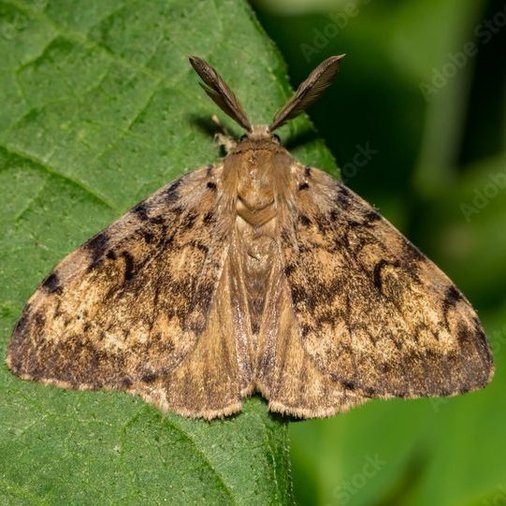
Improving parasite management of invasive insects
The Asian gypsy moth (Lymantria dispar) is an invasive insect causing serious damage in North American forests. Based on diagnostic genetic markers, we built models predicting the geographic coordinates for the provenance of unknown samples (such as egg masses for instance) that we integrated into a web application available to teams in charge of invasion management. This approach will allow to efficiently put eradication actions.
 In Progress
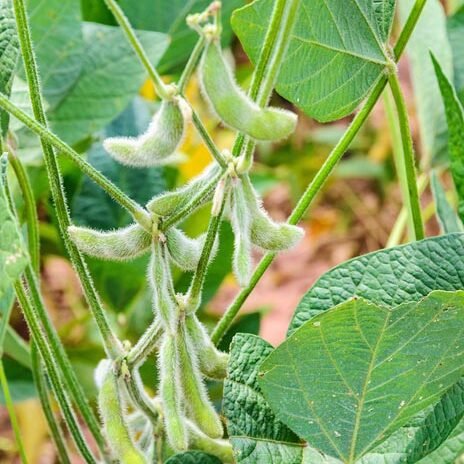
Improving the selection of the best soybean cultivars through artificial intelligence
The objective for this project is to improve selection process for soybean varieties using genetic information and climatic data integrated into machine-learning models. This approach based on the screening of the whole genome (28,000 genetic variants) and climatic data obtained from satellite images paves the way towards precision agriculture.
 In Progress
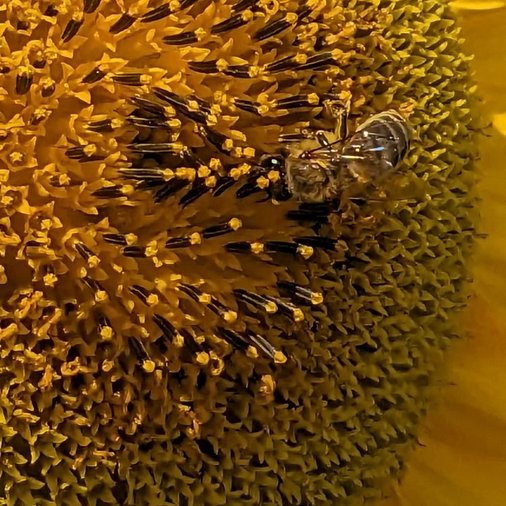
Support a genomic selection program for honeybees adapted to North-Eastern America
In addition to honey production, the honeybee is a pollinator of prime importance.The queens currently imported into Quebec are often poorly adapted to the harsh conditions of Eastern Canada: long and harsh winters. The overall objective is to use genomics and artificial intelligence to assist the CRSAD in developing genetic lines adapted to these harsh conditions while ensuring the long-term sustainability of the species in North East America by maintaining genetic diversity. To this end, tens of thousands of genetic markers covering the entire genome will be integrated into performance and resilience prediction models to inform selection and directed breeding efforts.